Comprehensive Line of Auto Parts Online – Shop Smart
Shopping for auto parts online serves as a practical solution for vehicle owners. The extensive selection of brands and products enables informed choices. Convenience is a key advantage, as it avoids the restrictions of physical stores. Furthermore, detailed specifications and customer reviews help in decision-making. Yet, navigating this broad marketplace demands careful consideration of different factors. Knowing these elements can significantly enhance the shopping experience and assure satisfaction. What should one emphasize when making such choices?
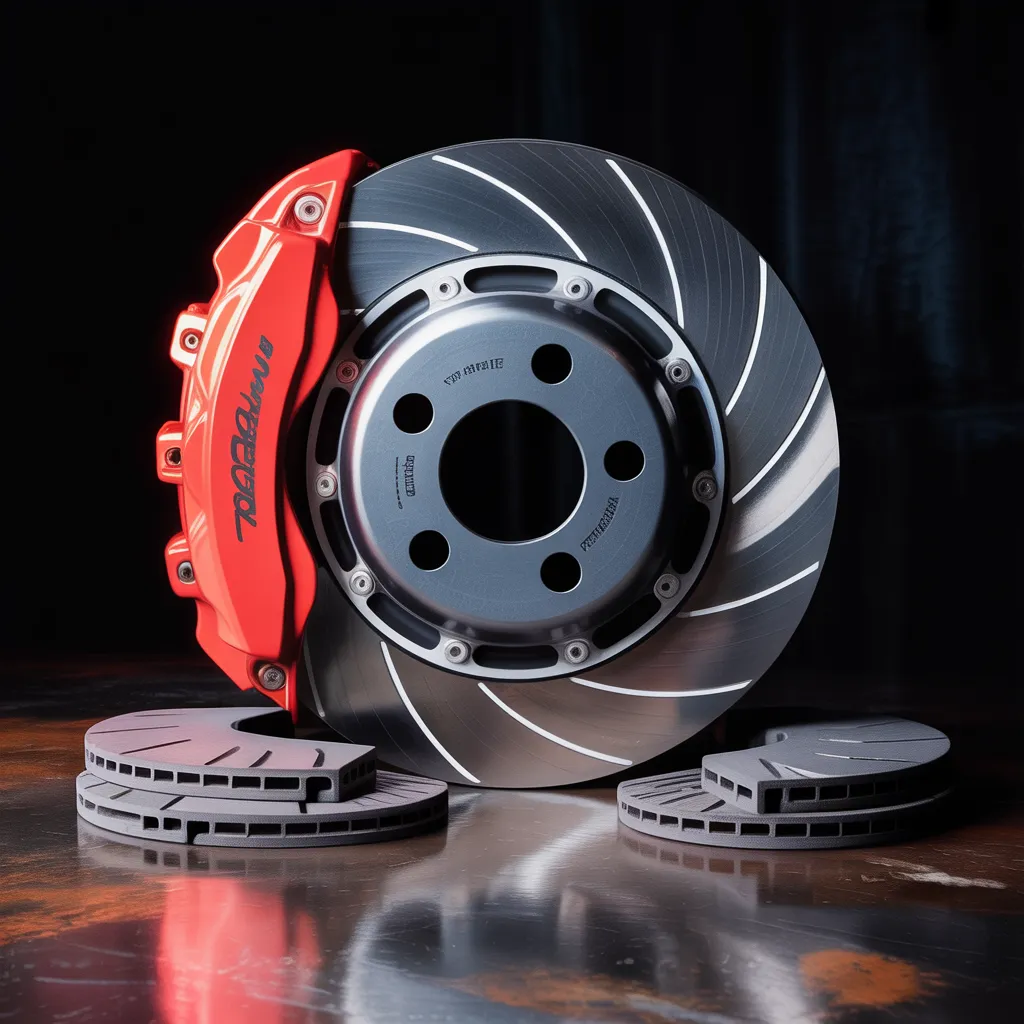
The Upsides of Shopping for Auto Parts Online
Purchasing automotive parts online presents numerous advantages, particularly for those seeking simplicity and efficiency. A key benefit is the broad array available, enabling consumers to view an extensive range of brands and products without the restrictions of physical store inventory. This variety allows customers to check prices, read reviews, and determine compatibility with their vehicles from the comfort of their homes.
Additionally, online shopping removes the need for lengthy trips to local stores. With just a few clicks, consumers can have parts delivered directly to their doorstep, avoiding traffic and long wait times. Many online retailers also provide detailed details and installation guides, enhancing the buying experience.
Furthermore, the competitive pricing frequently found online can result in notable savings. Discounts, promotions, and intuitive search tools allow consumers to make well-informed decisions. Overall, shopping for auto parts online enhances the process, making it a smart choice for many vehicle owners.
How to Uncover the Right Automobile Pieces for Your Vehicle
Finding the correct auto parts for a car requires careful thought and research. Vehicle owners should begin by identifying the specific parts required, which can often be found in the owner’s manual or by asking a reliable mechanic. Next, it’s essential to note the vehicle's make, model, and year, as these specifications greatly affect compatibility.
Using online databases and component lookup tools can make easier this process, providing options that match the vehicle's specifications. Additionally, customers should check the quality of the parts, opting for reputable brands or OEM (Original Equipment Manufacturer) parts when possible. Reviews and ratings from previous buyers can also give perspectives into performance and durability.
Finally, consulting automotive specialists for recommendations can help in clarifying any uncertainties. By taking these steps, vehicle owners can explore this topic make sure they select the correct parts, ultimately enhancing vehicle performance and longevity.
How to Effectively Evaluate Costs for Auto Parts
When trying to compare prices for car parts, a organized approach can lead to the best results. First, it is critical to identify the exact parts needed, as this helps focus options. Using online platforms that specialize in auto parts allows quick access to multiple retailers.
Next, buyers should prepare a list of potential suppliers and list their prices for the matching parts. This comparison can be made easier by using cost comparison websites, which aggregate data from different sources.
Additionally, checking customer comments can provide insights into the reliability and quality of the parts. It’s worthwhile to evaluate any offered discounts, promotions, or large order possibilities that may decrease costs.
Lastly, keeping an eye on seasonal sales or clearance events can lead to significant savings. By following these steps, one can choose wisely and guarantee they are obtaining the best value for their auto parts.
Understanding Delivery and Return Policies
When buying auto parts through online platforms, shipping and return policies are important aspects to take into account. Understanding the various shipping methods offered can impact delivery times and costs, while a clear overview of the return process guarantees buyer confidence. This section will explain these points to help consumers make informed decisions.
Understanding Delivery Options Clarified
Navigating the range of shipping options for auto parts is vital for a seamless purchasing experience. Many online retailers offer several shipping methods, including standard, expedited, and same-day delivery. Standard shipping is typically the most affordable, while expedited options address immediate needs, often arriving within one to three days. Some retailers may also offer free shipping on orders above a certain amount, boosting the overall value for customers. Additionally, tracking options are readily available, allowing consumers to monitor their shipments in real time. Understanding these options helps buyers select the most suitable option based on their urgency and budget, ensuring timely receipt of essential auto parts without unnecessary complications.
Return Process Summary
Grasping the return process is important for anyone purchasing auto parts online, as it directly influences customer satisfaction. Each retailer usually outlines clear return policies, including deadlines for returns and conditions that parts must meet to be able for refunds or exchanges. Customers should understand these policies before completing a purchase. Typically, a return authorization may be necessary, and items must be shipped back in their original condition and packaging. Additionally, shipping costs for returns may be charged to the buyer unless otherwise indicated. Adhering to these guidelines can help streamline the return process, making it simpler for customers to resolve issues and improving their overall shopping experience.
Examining Vehicle Parts Providers: What to Focus On
When appraising auto parts sellers, potential buyers should keep in mind a few important factors to secure a positive purchase experience. First, the standing of the seller is critical; reviews and ratings from previous customers can provide information into trustworthiness and service quality. Second, the availability of a wide range of parts is essential, as it indicates that the seller can meet varied needs.
Next, clear pricing is essential; hidden fees can lead to surprise expenses that reduce the value of a purchase. Additionally, a straightforward return policy is significant, allowing buyers to return parts that are faulty or wrong.
Lastly, customer support should be easily accessible, making sure that customers can resolve issues quickly. By focusing on these elements, consumers can make well-informed choices and choose auto parts sellers that improve their shopping experience.
Key Supplies for Do-It-Yourself Vehicle Fix-Ups
Having a comprehensive toolkit is essential for anyone engaging in DIY auto repairs. Among the key tools is a dependable set of wrenches and sockets, necessary for removing and fastening bolts. A torque wrench is necessary, guaranteeing fasteners are tightened to the manufacturer's specifications. Pliers and screwdrivers in different sizes assist in handling various components, while a jack and jack stands grant safe access to undercarriage sections.
Additionally, an oil filter wrench makes oil changes smoother, and a multimeter is invaluable for diagnosing electrical issues. A set of automotive gloves protects hands while providing a better grip on tools. Finally, a repair manual specific to the vehicle can offer guidance on steps and details. By having these essential tools on hand, DIY enthusiasts will be better prepared to tackle a range of auto repairs effectively and safely.
What are the best ways to ensure reliability when buying automotive parts digitally?
Putting together a toolkit with the appropriate tools prepares DIY enthusiasts for proper auto repairs, but confirming the quality of auto parts bought online is always important. To assure quality, buyers should start by researching reliable suppliers noted for their dependability and customer service. Analyzing customer reviews and ratings can provide insights into the experiences of previous buyers. Additionally, verifying that parts meet OEM (Original Equipment Manufacturer) specifications guarantees compatibility and durability.
Buyers must also inspect the warranties or guarantees offered by sellers, as these frequently serve as indicators of product quality. Employing online forums and community recommendations enables the discovery of trusted brands and products. In the end, comparing prices across various platforms can help avoid overpaying for low-quality items. By following these steps, consumers can make well-informed decisions and obtain quality auto parts that enhance their DIY repair experiences.
Commonly Asked Questions
Can Web Car Components Be Compatible With All Vehicle Models?
Online auto parts are not always compatible with every vehicle model. Compatibility is determined by specific part numbers and manufacturer specifications, which require careful verification to confirm proper fitment and functionality for each vehicle.
How can I monitor My web Auto Parts Order?
To track an online vehicle parts order, customers typically receive a confirmation email with a tracking number. This number can be used on the shipping copyright's website to monitor the order's status and estimated delivery.
Which Payment Options Are Accepted for Internet Purchases?
Typically, accepted payment methods for online shopping consist of credit and debit cards, copyright, and at times options like Apple Pay or direct bank transfers. Customers must confirm the specific methods when checking out for their designated retailer.
Do Internet Shops Offer Protection on Auto Parts?
Numerous online stores do offer warranties on car parts, offering customers assurance about product quality. These guarantees frequently change by retailer and type of part, so examining the terms prior to purchase is wise.
Can One Halt Their Automobile Supplies Order After Completing the Purchase It?
Yes, customers can typically cancel their car parts orders after purchasing, but rules vary by retailer. It's important to review the particular store’s cancellation policy for any time limits or requirements that may apply.